
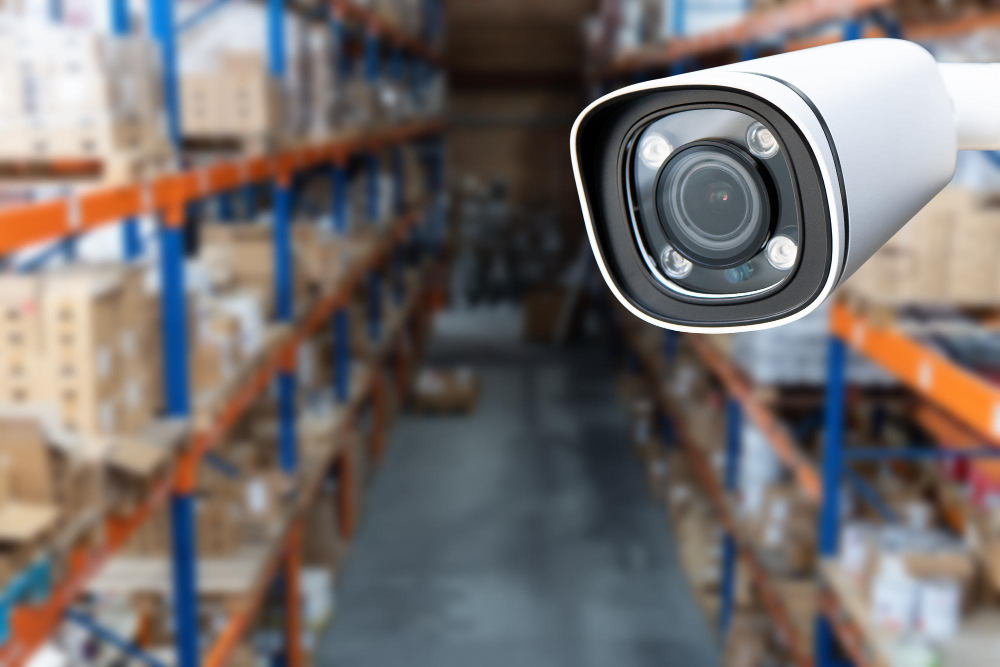
Warehouses operate with constant movement, high-value inventory, and multiple access points. This creates a complex environment where visibility is directly tied to control. Warehouse security camera systems are no longer limited to recording activity. They now play a central role in managing risk, improving workflows, and maintaining accountability across the facility.
In a warehouse setting, delays in identifying issues can lead to financial loss, operational disruption, or safety concerns. This is where structured warehouse surveillance becomes part of daily operations rather than a passive tool.
Modern systems combine high-resolution cameras, real-time monitoring, and intelligent detection. They allow teams to track activity as it happens, review events with clarity, and respond without delay. When integrated properly, surveillance becomes part of how the warehouse functions, not just how it is protected.
This article focuses on how surveillance systems impact real warehouse operations, from inventory control to workforce management and system integration.
Deterring Theft and Controlling External Risk
Warehouses are frequent targets for theft due to the volume and value of stored goods. The presence of industrial security cameras changes how the facility is perceived from the outside.
Visible surveillance acts as a deterrent. Entry points, loading docks, and perimeter areas become less vulnerable when activity is consistently monitored. This reduces opportunistic incidents before they occur.
Beyond deterrence, cameras capture clear footage of all activity. If a breach happens, recorded video provides a reliable account of events. This supports investigations and reduces uncertainty around what took place.
Real-time monitoring also allows immediate action. Instead of discovering an issue after inventory discrepancies appear, teams can respond as activity unfolds.
For warehouses that operate across multiple shifts or extended hours, maintaining visibility during off-peak times becomes even more important.
Monitoring Internal Activity and Reducing Loss
Not all risks originate from outside the warehouse. Internal activity, if not monitored, can lead to inventory discrepancies and operational loss.
Surveillance systems provide visibility across storage areas, packing stations, and loading zones. This helps identify patterns that may lead to shrinkage or inefficiencies.
Monitoring does not rely on constant observation. With AI security monitoring, systems can flag unusual behavior, such as unauthorized access to restricted areas or unexpected movement during off-hours.
This reduces reliance on manual checks and allows teams to focus on verified events. It also creates accountability. When activity is recorded, it becomes easier to trace actions back to specific processes or individuals.
The goal is not to monitor every movement, but to maintain a clear understanding of how inventory and personnel interact within the space. This level of visibility helps reduce avoidable loss.
Improving Workplace Safety and Compliance
Warehouses involve equipment, heavy materials, and high activity levels. Maintaining safety depends on consistent adherence to procedures.
Surveillance systems allow managers to observe whether safety protocols are being followed. This includes monitoring equipment usage, movement within designated zones, and adherence to operational guidelines.
When incidents occur, recorded footage provides context. Instead of relying on assumptions, teams can review events to understand what happened and how similar situations can be prevented.
This also supports compliance. Facilities that must meet safety standards benefit from having a clear record of operations. Surveillance provides documentation that can be used during audits or reviews.
Safety helps in responding effectively when they occur. Real-time visibility allows quicker decision-making, which can reduce the impact of workplace events.
Supporting Operational Efficiency Through Visibility
Warehouse performance depends on how efficiently tasks are completed. Surveillance systems contribute by providing insight into how operations are carried out.
Cameras placed across workflow areas reveal movement patterns, bottlenecks, and delays. This allows managers to identify where processes can be adjusted.
For example, reviewing footage from packing stations may show where delays occur during peak hours. This information can be used to reallocate resources or adjust workflows.
Surveillance also supports training. Recorded footage can be used to review processes and highlight areas for improvement. This creates a consistent reference point for operational standards.
Visibility into daily operations allows decisions to be based on actual activity rather than assumptions. This leads to more accurate adjustments and improved performance over time.
Real-Time Monitoring Across Multiple Locations
Many warehouse operations extend across multiple facilities. Managing these locations requires consistent visibility.
Modern surveillance systems allow centralized monitoring. Managers can access live feeds and recorded footage from different locations without being physically present.
This reduces the need for on-site supervision and allows faster response to issues. If unusual activity is detected in one location, it can be addressed immediately.
Centralized monitoring also improves consistency. Processes and standards can be reviewed across all locations, ensuring that operations remain aligned.
For businesses managing distributed operations, surveillance becomes a tool for maintaining control without increasing complexity.
Reducing Liability and Handling Disputes
Warehouses face risks related to disputes, claims, and liability. Surveillance systems provide a clear record of events that can be used to resolve these situations.
In cases involving damaged goods, workplace incidents, or operational errors, video footage offers an objective account. This reduces reliance on conflicting reports and helps establish what actually occurred.
This level of documentation is valuable for insurance claims and internal reviews. It allows businesses to respond to issues with verified information rather than assumptions.
Surveillance also reduces the likelihood of false claims. When activity is recorded, there is less room for disputes based on incomplete information.
The ability to verify events quickly helps maintain operational stability and reduces disruptions caused by unresolved issues.
Integrating Surveillance with Access Control Systems
Surveillance systems become more effective when integrated with access control technologies.
By combining cameras with building access systems, businesses can track both entry events and associated activity. This creates a complete record of who entered a space and what occurred during that time.
Planning access control installation alongside surveillance ensures that both systems operate together. For example, when a door is accessed, the system can link that event to the corresponding video footage.
This integration improves visibility and reduces gaps in monitoring. It also allows automated responses. Unauthorized access attempts can trigger alerts while capturing video evidence simultaneously.
Using commercial access control solutions in combination with surveillance creates a connected system rather than separate tools. This improves overall performance and simplifies management.
Long-Term Cost Benefits and Scalability
Surveillance systems are often viewed as a cost, but their long-term value is tied to loss prevention and operational efficiency.
Reducing theft, preventing disputes, and improving workflows all contribute to cost savings over time. These benefits extend beyond security and impact overall business performance.
Modern systems are also scalable. Additional cameras can be added as the facility grows, and storage can be expanded without replacing the entire system.
This allows businesses to adapt their systems as operations change. Instead of making large adjustments later, they can build on an existing foundation.
Investing in surveillance is not just about addressing current risks. It is about creating a system that continues to perform as the business evolves.
Where System Design Determines Performance
The effectiveness of a surveillance system depends on how it is designed and implemented.
Camera placement, network infrastructure, and system integration all influence performance. Poor planning can result in blind spots, limited coverage, and reduced usability.
Design should consider how the warehouse operates. High-traffic areas, entry points, and storage zones all require different approaches.
Integration with other systems, including access control and network infrastructure, ensures that surveillance functions as part of a larger system.
The goal is to create a setup that aligns with operational workflows. This allows the system to function consistently without requiring constant adjustment.
Get a System That Gives You Full Visibility and Control
At Insyte Security, we design warehouse security camera systems that do more than monitor. We build integrated solutions that connect surveillance, access control, and network infrastructure into one reliable system.
From initial assessment to installation and long-term service agreements, our focus is on performance that holds up in real operations.
Schedule a free security assessment with Insyte Security and see how the right system can strengthen control across your warehouse.