
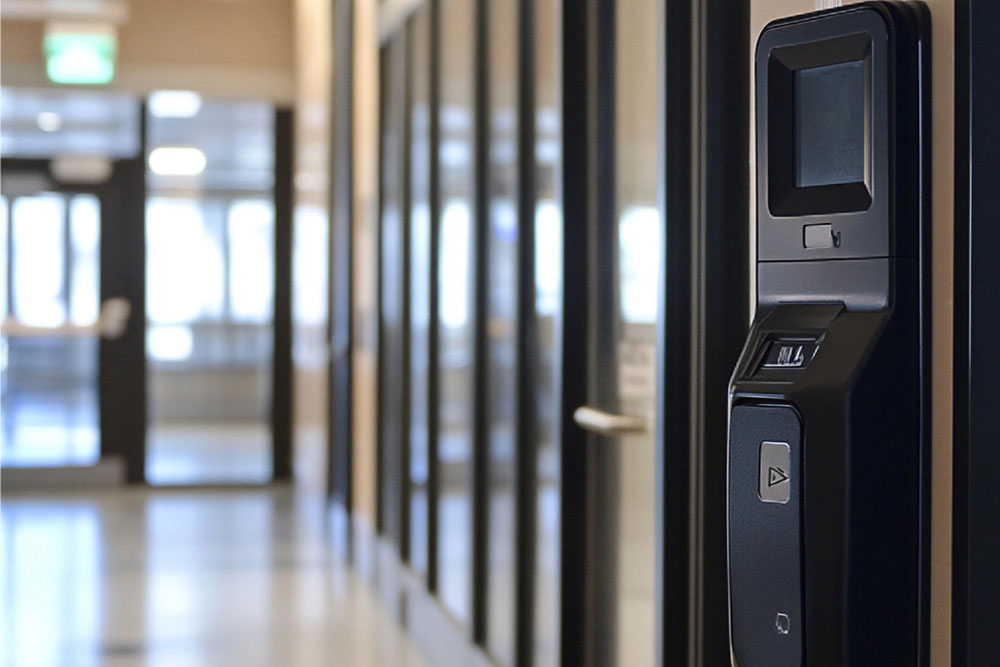
Securing a facility is no longer limited to locks and keys. Businesses now require systems that control movement, track activity, and adapt to changing operational needs. This is where access control systems play a central role.
These systems are designed to regulate who can enter specific areas, when they can access them, and under what conditions. They replace traditional keys with digital credentials, making it easier to manage permissions across offices, warehouses, and multi-site operations.
For many organizations, access control is part of a broader security environment. It often works alongside video surveillance and other technologies to create a connected system that improves both safety and visibility.
As facilities grow more complex, managing access manually becomes difficult. Lost keys, unauthorized duplication, and lack of visibility create risks that are hard to control. Access control systems address these challenges by introducing structure, accountability, and centralized management.
Understanding how these systems work and how they should be implemented is important for any business looking to maintain control over its physical spaces.
What Access Control Systems Actually Do
At a basic level, access control systems determine who is allowed to enter a building or specific area. But in practice, they go much further than simple entry management.
These systems create a framework for managing movement across a property. Every access event is recorded, creating a detailed log of who entered, when they entered, and where they went. This information is valuable for both security and operational oversight.
Unlike traditional keys, digital credentials can be updated or revoked instantly. This reduces the risk associated with lost or stolen keys. It also allows businesses to assign access based on roles, ensuring employees only enter areas relevant to their responsibilities.
Modern building access systems also support remote management. Administrators can grant or restrict access without being on-site. This is particularly useful for businesses with multiple locations or facilities that operate outside standard hours.
Another key function is integration. Access control systems can connect with other technologies to create a unified security approach. This allows businesses to manage entry, monitor activity, and respond to events through a single platform.
Why Businesses Are Moving Away from Traditional Access Methods
Traditional locks and keys present limitations that become more apparent as businesses grow.
Keys can be lost, copied, or shared without authorization. When this happens, the only way to restore security is often to replace locks entirely. This process is time-consuming and does not address the underlying issue of visibility.
Access control systems eliminate many of these challenges. Credentials can be issued digitally, tracked, and revoked when necessary. This reduces risk and simplifies management.
Another limitation of traditional methods is the lack of accountability. With physical keys, it is difficult to determine who accessed a space and when. Access control systems solve this by creating detailed logs that can be reviewed at any time.
This shift is also driven by operational needs. Businesses require systems that support flexible schedules, temporary access for contractors, and remote management. Static key-based systems cannot meet these requirements.
As a result, organizations are moving toward commercial access control solutions that offer more control, visibility, and flexibility.
Core Components of an Access Control System
A complete access control system includes several components that work together.
Credentials are used to identify users. These can include cards, mobile devices, or biometric data. Each credential is linked to a specific user profile.
Readers are installed at entry points. They scan credentials and send data to the system for verification.
Controllers process access requests. They determine whether access should be granted based on predefined rules.
Management software acts as the central interface. It allows administrators to assign permissions, review logs, and manage the system.
Infrastructure connects all components. Without stable connectivity, the system may not function reliably.
Each element plays a role in ensuring the system operates smoothly. A weakness in any part can affect performance and reliability.
Types of Access Control Credentials
Modern systems support a range of credential types, each suited to different environments.
Proximity cards are commonly used in offices and commercial buildings. They are easy to issue and function as both identification and access tools.
Key fobs offer similar functionality but are often preferred in environments where employees need quick and frequent access.
Mobile credentials allow users to access spaces using their smartphones. This reduces the need for physical cards and enables remote credential management.
Biometric credentials use unique physical characteristics such as fingerprints or facial recognition. These are often used in high-security environments where identity verification must be precise.
The choice of credential depends on the level of security required and how the facility operates. In many cases, businesses use a combination of credential types to balance convenience and control.
System Configurations and How They Affect Management
Access control systems can be configured in different ways depending on the size and complexity of the facility.
Standalone systems operate independently at each entry point. They are suitable for smaller facilities but can become difficult to manage as the number of users increases.
Networked systems connect multiple entry points to a central platform. This allows administrators to manage access across the entire facility from one interface.
Cloud-based systems extend this capability further. They allow access management from any location and simplify updates and scaling.
The choice of configuration affects how the system is managed over time. Businesses with multiple locations or changing access requirements often benefit from centralized or cloud-based setups.
The Role of Security System Design in Access Control
The effectiveness of access control depends on how the system is designed.
Security system design begins with understanding the layout of the facility and identifying critical entry points. This includes main entrances, restricted areas, and high-risk zones.
Design also involves defining access levels. Not every employee needs access to every area. Assigning permissions based on roles reduces risk and improves control.
Integration is another key consideration. Access control systems should work alongside other security technologies to create a connected environment.
Poor design can lead to gaps in coverage or unnecessary complexity. A structured approach ensures that the system aligns with how the business operates.
How Access Control Fits Into a Broader Security Strategy
Access control systems are most effective when they are part of a larger security framework.
When integrated with video surveillance, they provide both control and visibility. For example, when a door is accessed, the system can record video at the same time. This creates a complete record of activity.
They also work with intrusion detection systems to respond to unauthorized access attempts. Doors can lock automatically, and alerts can be triggered in real time.
This level of integration reduces gaps and improves response time. It also simplifies system management by bringing multiple functions into a single platform.
Access control is not just about entry. It is part of how businesses manage security as a whole.
Planning for Access Control Installation
Implementing a system requires careful planning.
Access control installation should begin with a detailed assessment of the facility. This includes identifying entry points, evaluating risks, and understanding how people move through the space.
Infrastructure must also be considered. The system relies on network connectivity and power to function reliably.
Installation should be aligned with long-term goals. A system that works today should also support future expansion without major changes.
Best Practices for Managing Access Control Systems
Once an access control system is in place, its effectiveness depends on how it is managed. Poor management can create gaps, even if the system itself is well designed.
One of the most important practices is defining access levels clearly. Permissions should be based on roles, not individuals. This ensures consistency and reduces the risk of over-permissioning. For example, employees in administrative roles may require broader access than those working in restricted operational areas.
Credential management also requires attention. Lost or unused credentials should be deactivated immediately. Temporary access for contractors or visitors should have defined time limits. Without this, access can remain active longer than intended.
Regular audits are equally important. Reviewing access logs helps identify unusual patterns, such as repeated entry attempts outside normal hours. These insights can highlight potential risks before they become issues.
Employee awareness plays a role as well. Staff should understand how to use credentials responsibly and avoid sharing access. Systems are only as effective as the behaviors around them.
Common Mistakes That Reduce System Effectiveness
Many businesses implement access control systems but fail to use them to their full potential. This often comes down to avoidable mistakes.
One common issue is granting excessive access. When too many users have access to restricted areas, the system loses its purpose. Limiting access based on necessity improves control and reduces internal risk.
Another mistake is failing to maintain the system. Software updates, hardware checks, and regular testing are necessary to keep the system functioning properly. Ignoring maintenance can lead to failures at critical moments.
Some organizations also overlook the importance of monitoring logs. Access to data provides valuable insights, but only if it is reviewed regularly. Without this, unusual activity can go unnoticed.
Integration is another area where mistakes occur. When access control operates independently from other systems, it creates gaps in visibility. Connecting it with surveillance and alarms improves overall performance.
Avoiding these mistakes requires a structured approach and consistent oversight.
The Importance of Professional Installation and Integration
Installation plays a major role in how well an access control system performs. Even well-designed systems can fall short if installation is not handled correctly.
Professional installers evaluate factors such as door hardware, user flow, and system configuration. For example, placing readers in the wrong location can create bottlenecks or allow unauthorized access. Correct positioning keeps movement efficient while maintaining control over entry points.
Integration is another key aspect. Access control systems need to work alongside other technologies, including surveillance and intrusion detection. This requires technical expertise so that all components communicate clearly and operate as one system.
Network infrastructure also plays a role. Since access control systems depend on connectivity, poor setup can lead to delays or system failures. A strong IT foundation helps maintain consistent performance across all components.
For commercial environments, installation is not just about setting up equipment. It is about building a system that operates as part of a connected environment, where each element works together without gaps or disruption.
Take Control of Your Facility with a System That Actually Works
At Insyte Security, we design fully integrated solutions that give you real control over your property, people, and operations. From initial assessment to installation and long-term support, every system is built to perform reliably and scale with your business.
If you’re planning a new system or upgrading an existing one, now is the time to do it right.
Schedule your free security assessment with Insyte Security and get a system designed around how your business actually operates.